5 Easy Ways to Add Shade to Your Patio This Summer
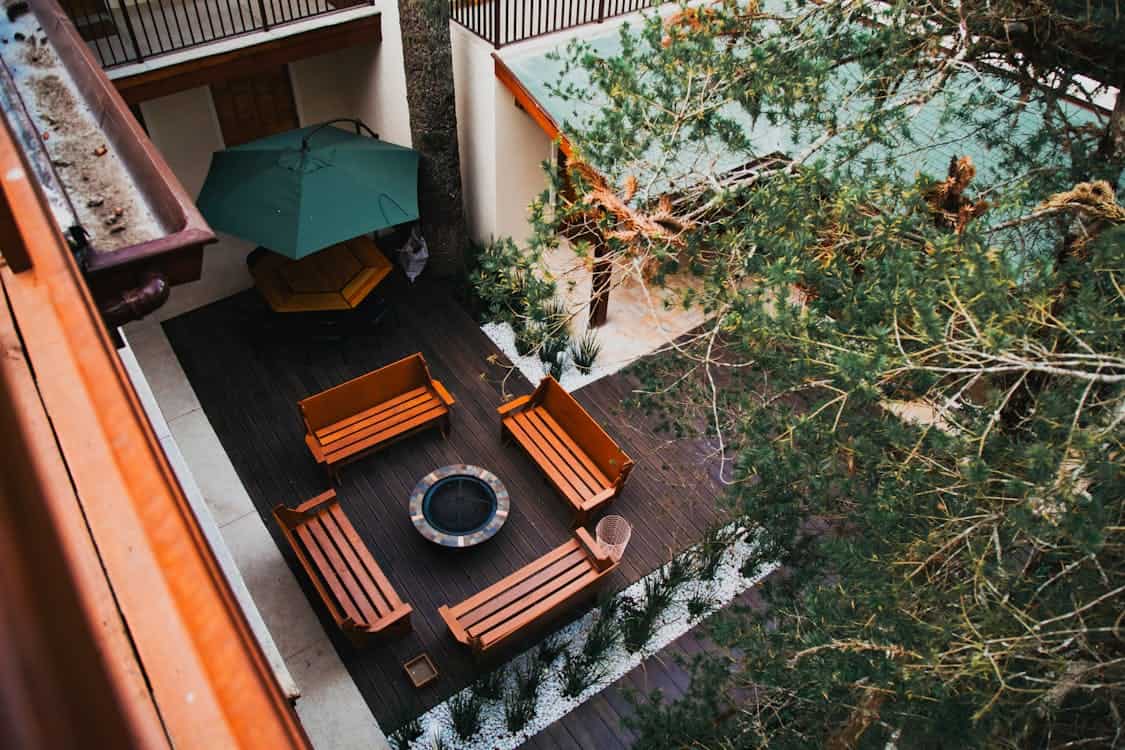
Summer days invite outdoor time, yet direct sun can turn a calm porch into an oven. Adding shade expands the hours you can relax outside and gives plants a break from intense light.
Small changes can yield big comfort gains and help keep indoor cooling bills in check. Try one or more of the following ideas to make your patio a cool retreat that friends and family will want to visit.
1. Shade Sails
A shade sail offers modern style with big coverage for a relatively small outlay. These triangular or rectangular pieces of fabric stretch between anchor points to create broad pools of shade, and they let breezes pass through so the space stays airy.
Fabric choice matters so pick materials rated for ultraviolet protection and with good water shedding if you want occasional rain cover.
When choosing fabrics for long-term outdoor setups, it is worth considering premium patio cover materials for use in extreme heat to ensure the structure holds up under sustained sun exposure. Installation is straightforward for a handy homeowner but hiring a pro can speed the job and help with secure anchoring.
Adjusting the angle of a shade sail changes the look and the amount of sun it blocks, giving you flexibility as the season advances. High in one corner and low in another creates drama and helps rain run off, and you can mix sail colors for a playful effect that still reads as cohesive.
When you attach to posts or the house use hardware rated for outdoor use and take care with tension to avoid sagging over time. A sail can be removed and stored when wind gets fierce, which keeps fabric life longer and keeps the patio neat.
2. Retractable Awnings
A retractable awning unfolds to give instant shade and tucks away when you want more sun, blending convenience with control. Motorized models add a touch of luxury because one push of a button expands and collapses the canopy, and manual crank options keep costs down.
Fabric choices include fade resistant weaves that block heat and protect furniture from UV damage, and frames come in aluminum finishes that resist corrosion. Compared with permanent roofs a retractable awning is flexible and easy to update when tastes change.
Think about mounting location first because an awning attached to a wall covers the most useful part of a patio and reduces glare entering nearby windows. If you rent the property check local rules about attachments to exterior walls, and when in doubt call a pro for secure installation.
Track water flow from the roof edge to keep drainage away from doorways and walkways, and use a slope that lets rain run off rather than pool on top of the canopy. A retractable system can make a small patio feel like an outdoor room in the heat of a July afternoon.
3. Patio Umbrellas
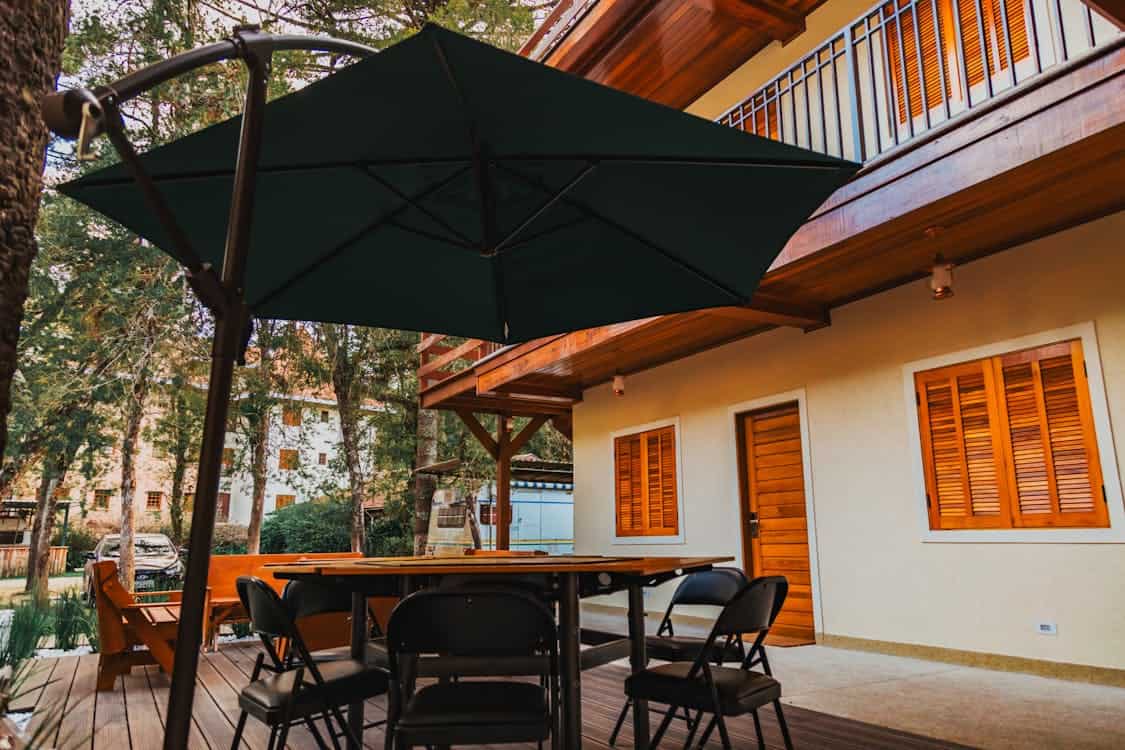
A patio umbrella is a classic quick fix that does work well for dining tables and lounge chairs because it moves where you need it. Pole styles come in center pole and offset pole configurations that free up central table space while shading a broader area.
When picking a base choose weight and stability for local wind conditions because a light stand will tip and may damage the umbrella or anything nearby. Fabric with tight weave provides more sun protection, and look for colorfast treatments so the cloth keeps its hue through many summers.
Umbrellas are great for renters and for people who like to rearrange seating on a whim, since they require no permanent anchors and store easily in winter. Placing more than one umbrella creates layered shade that serves a group of guests or a cluster of potted plants, and mixing sizes avoids the uniform look if you want more visual interest.
Keep the umbrella closed in strong gusts and fasten the cover when storms threaten to shorten repair times and keep the canopy tidy. An umbrella is an affordable pick that still looks polished when chosen to complement cushions and planters.
4. Pergolas With Climbing Plants
A pergola introduces structure and the option of slow growing green shade that only gets better with time and care. Built from wood or metal a pergola supports vines that will weave cover overhead, soften hard edges and bring a cooling green ceiling to the patio.
Fast growing climbers like certain vines establish canopy faster while woody vines add texture and scent over seasons, rewarding small doses of gardening patience. You achieve a blend of hardscaping and garden that feels lived in, and the structure can be matched to the architectural style of your home for a unified look.
Installing lattice panels along the sides of a pergola increases shade without blocking air movement, letting breezes help keep people cool while leaves do the heavy lifting for sun blocking. Add string lights to the beams and the space becomes an evening spot that is shaded and charming all at once.
Prune vines to keep growth healthy and to shape the amount of shade, which is handy when mornings need more sun than afternoons. A pergola invites wildlife and can become a favorite retreat that changes mood as plants grow and flower.
5. Potted Trees And Large Planters
Large potted trees provide natural shade with the bonus of being mobile and forgiving of placement changes across a season. Trees in big planters deliver immediate leaf cover and can be moved to shade a seating area in the afternoon when the sun tracks west.
Look for species that handle container life well and offer a canopy that suits your scale, from slender upright types to broader specimens with soft foliage. Good drainage and a rich potting mix keep roots healthy, and regular watering is key since containers dry faster than beds.
Using a cluster of planters with mixed heights creates layered shade that reads as intentional rather than accidental and gives a sense of depth to the patio. Rotate pots as needed for even growth and to adapt to shifting sun angles through the summer months, which helps maintain shape and shade coverage.
Combining evergreen shrubs with seasonal flowering plants adds year round interest so the patio still feels curated when leaves are sparse. With a little potting and patience a collection of containers can transform an exposed terrace into a shaded green nook ready for long afternoons.
