What Are the Risks of High Water Pressure in Homes? Find Out
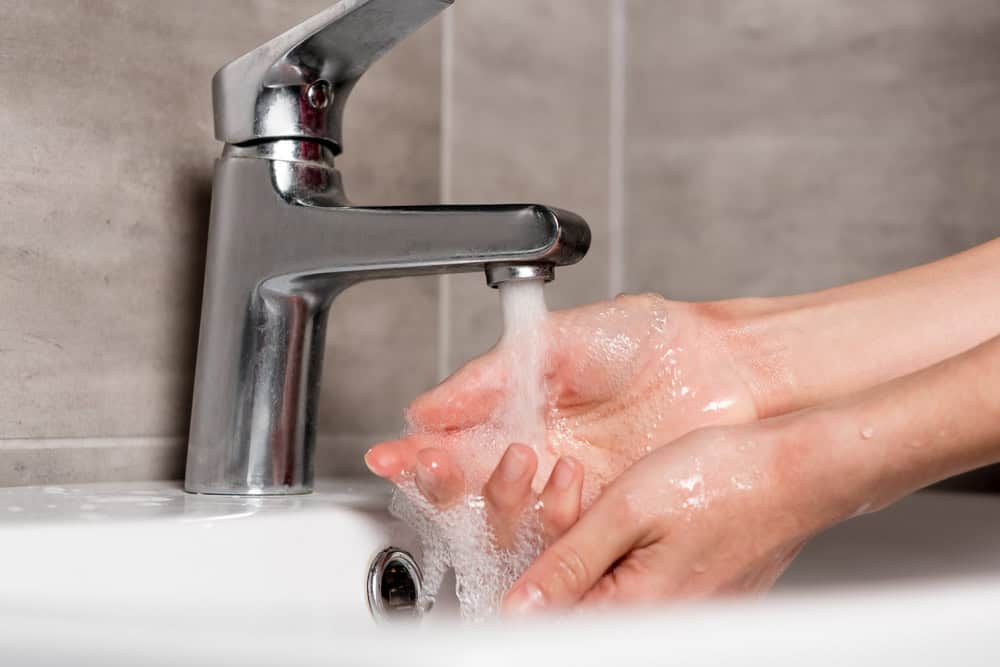
High water pressure might sound like a luxury at first, with strong showers and quick fills for buckets and kettles. That boost in force can quietly strain plumbing parts, sending small problems on a slippery slope toward big headaches.
People often miss the gradual wear because damage does not always show up in dramatic fashion until something gives. A little attention now can save time, money and a lot of stress later.
Causes Of High Water Pressure
City mains can sit at a range of pressures and sometimes deliver more force than a home plumbing system was built to handle. Local elevation and municipal decisions about distribution lines can push pressure upward without any change inside a house.
Pressure can also climb when a pressure reducing valve fails or is absent from the service line, allowing mains pressure to flow unchecked into fixtures and pipes. Testing at the outdoor spigot will reveal whether the source or an internal device is the likely culprit.
How High Pressure Damages Pipes
When pressure stays above what plumbing is rated for, joints fatigue faster and small leaks begin to form at seams and connections. Metal pipes can develop cracks that grow over time, while soft materials warp and split, creating places for water to sneak out.
Even if a leak is tiny at first, the steady hammer of high pressure will widen it, shortening the useful life of the system. What begins as a drip can end in a gush, and a quiet night can turn into a frantic call to a contractor.
Impact On Fixtures And Appliances
Faucets and shower valves bear the brunt of extra pressure, wearing internal washers and seals much sooner than normal. Dishwashers and washing machines may experience increased intake rates that compromise seals and valves, raising the chance of internal flooding.
Hot water systems and filtration units that rely on calibrated flow can act unpredictably under excess force, reducing efficiency and raising wear. Small parts that are cheap to replace add up when they must be swapped every season.
Effects On Water Heaters
Water heaters rely on steady, predictable pressure to operate safely and to vent correctly, and high pressure can stress tanks and relief valves. Repetitive overpressurization can force the temperature pressure relief valve to cycle, which accelerates corrosion and weakens connections.
Pressurized cold water entering the tank may mix more aggressively and shift thermal layering, sometimes reducing the heater s efficiency and raising fuel or electricity use. If the tank fails, the release can be sudden and dramatic, throwing a lot of hot water where it is not wanted.
Increased Risk Of Leaks And Bursts
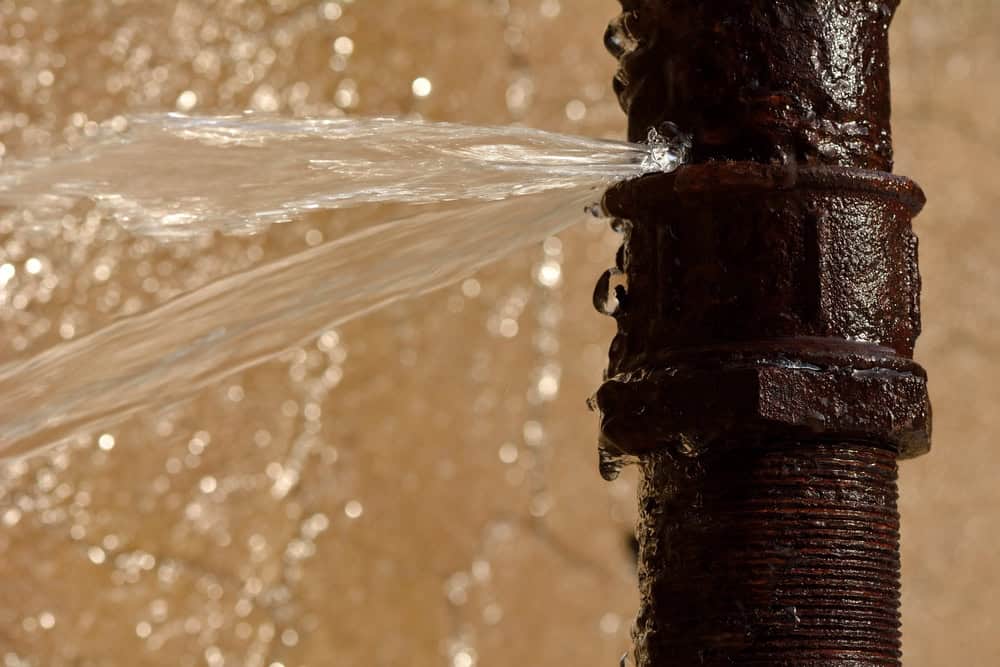
High pressure turns ordinary weak points into active hazards, pushing water through pinhole breaches and worn threads. When pipes feed into walls and floors, a hidden slow leak can create mold colonies and structural rot before a homeowner spots any wetness.
In cases where you suspect leaks beyond the visible, detecting a slab leak in your home can uncover hidden damage caused by excess pressure, which might otherwise go unnoticed.
The bigger danger is a full rupture during peak use, which floods rooms and can destroy possessions in minutes. Insurance claims spike in such events, and repair timelines often stretch into weeks for structural fixes.
Wasted Water And Higher Bills
Pipes that leak under pressure are essentially money leaking out of a household, with increased flow rates and lost gallons adding up fast. Fixtures that do not shut fully under excess force let water run when it should be off, turning routine tasks into costly ones.
Hot water loss from overworked heaters raises energy use and can make bills climb without any obvious change in habits. Paying attention to flow and billing patterns can reveal waste before small issues become expensive repairs.
Noise And Vibration Problems
When flow races through narrow turns at high speed, pipes sing and rattle in ways that wake people at odd hours. Vibrations can loosen straps and support brackets, which allows more movement and more noise, creating a loop that gets worse over time.
The clanging called water hammer can hit hard enough to jar fittings and send shock waves into appliances. Even if the sound seems merely annoying at first, it often signals stress that will lead to mechanical failure.
How To Measure Water Pressure
A simple pressure gauge attached to an outdoor hose bib gives an immediate reading in pounds per square inch and is inexpensive to buy or borrow from a rental store. Readings above forty five to sixty psi typically indicate an overpressurized system that should be addressed.
Test at different times of day to see whether pressure spikes with municipal demand or stays constant, which helps pinpoint the cause. Repeating tests after any adjustments will confirm whether repairs had the desired effect.
Steps To Fix High Water Pressure
Installing a pressure reducing valve at the service entrance is the usual fix and can be adjusted to keep flows in a safe zone for fixtures and appliances. Where valves already exist, routine maintenance and occasional replacement prevents failures that let mains pressure flood a home system.
For localized problems, adding or replacing fixture regulators can calm a faucet or shower without altering the whole house setup. Simple fixes like tightening loose straps and replacing old washers will buy time before larger interventions become necessary.
When To Call A Professional
If pressure tests show persistent readings that exceed recommended values or if you have repeated leaks, a licensed plumber can diagnose piping and valve conditions. Pros have the tools to inspect hidden runs and to recommend changes that protect the whole system, not just one outlet.
Major upgrades such as installing a new main shutoff or replacing corroded service lines require permits and experience that go beyond DIY repair. Acting early with expert help reduces the chance of emergency calls on a rainy night.
