5 Causes of Sewer Line Blockages You Should Be Aware Of
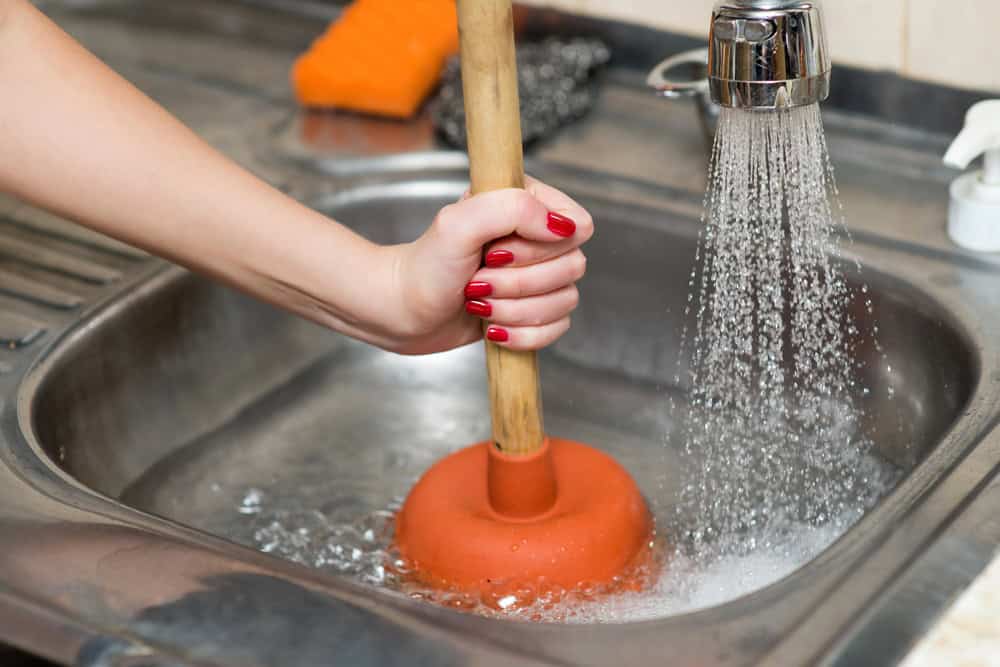
Sewer line blockages disrupt routines, damage property, and often trigger expensive repair work when early warning signs go unnoticed or minor clogs are repeatedly ignored. A trickle in the bathtub, slow kitchen drainage, or an odd sewer smell wafting up from a floor drain can signal problems in the main line well before water begins to back up into living spaces.
Knowing the common causes gives homeowners and property managers the upper hand, allowing a quicker response that prevents a small problem from turning into an emergency that requires weeks of work. Below are five frequent culprits, paired with practical signs and sensible steps, to help you spot trouble early and keep repairs manageable.
1. Grease And Fat Buildup
Grease from cooking is a top offender because oils and animal fats are liquid when warm but begin to congeal as they cool inside sewer pipes, forming a sticky film that clings to the interior surface. Over time that film traps food scraps, coffee grounds, and other small bits of debris, building layer upon layer until sections of the line are significantly narrowed and flow becomes sluggish.
The blocked area can attract other materials, creating a dense mass that resembles a fatberg in miniature and which can resist simple plunging or short snaking attempts. Homeowners frequently notice recurring clogs in kitchen sinks, lingering odors from drains, or slow drainage affecting multiple fixtures when grease is part of the problem.
Stop pouring leftover oils down the drain; instead let grease cool in the pan, wipe excess with a disposable towel, and place the residue in a sealed container for household trash so it never reaches the pipe. When buildup is already present professional services using high pressure hydro jetting or a heavy duty auger remove the hardened deposits far more reliably than over the counter chemical packets that only soften a bit of the surface.
Commercial kitchens often use interceptors to trap fats before they enter the municipal system, and homeowners can adopt scaled down routines like a grease jar and mindful dishwashing habits to do their part. A small change to how you dispose of fats and oils can prevent a messy and costly clog later on, and the result is fewer emergency calls and calmer weekends.
2. Tree Root Intrusion
Tree roots are drawn to the steady moisture and nutrients present in sewer lines, and they can detect tiny leaks or poorly sealed joints from yards several feet away. A hairline crack or an offset joint gives a root the opportunity to slip in and, once established, the plant tissue swells, branches out, and becomes a living net that traps passing solids.
As the root mass thickens it reduces flow and catches additional debris such as grease and hair, which accelerates blockage growth and raises the chance of a sudden backup. Older pipes made of clay or cast iron with mortar joints present easier entry points than modern seamless plastic systems, making some properties more vulnerable than others.
Routine camera inspections reveal root intrusion at an early stage and allow targeted mechanical cutting while the structural damage is still limited, restoring flow without wholesale replacement. For repeat invasions a combination of cutting and a properly applied root treatment can provide relief, though severe cracking or repeated failures normally require pipe section repair or lining to stop the problem for good.
Trenchless lining creates a fresh pipe surface that resists roots, and replacing worn sections with modern materials removes the invitation that roots exploit. Putting mature trees a safe distance from known sewer runs and monitoring root encroachment can spare homeowners repeated battles with greenery and plumbing bills that climb faster than expected.
3. Flushing Non Flushable Items
A wide range of items find their way into toilets despite being labelled or treated as disposable, from baby wipes and kitchen towels to cotton swabs and menstrual products. Toilet paper is engineered to break up quickly in water; most other paper and product fibers retain strength and tangle into ropes or clumps that resist breakdown.
These clumps snag on pipe irregularities or on grease and hair already present, so what starts as a single errant item can become the nucleus of a heavy, stubborn obstruction. Properties with multiple users or rental units face higher risk because the volume of material entering the system increases, raising the odds that an object will catch and collect more matter.
A simple habit change, like keeping a covered waste bin in every bathroom and posting a short note about what belongs in the toilet, prevents a surprising share of main line blockages. Small tools such as a good plunger or an affordable hand auger help with shallow clogs, but deep matted masses lodged in the main sewer will demand the skills and equipment of a trained technician.
When multiple units share a lateral line a coordinated approach to what gets flushed pays dividends and cuts down on emergency calls that arrive at odd hours. In the long run the cost of a small bin and a clear rule beats the bill for a main line excavation and the headache of sewage in the home.
4. Pipe Collapse And Structural Damage
Structural failure of a sewer line can occur as materials age, joints separate, or the surrounding soil shifts due to heavy rains, drought cycles, or nearby construction activity. Uneven settling may create a sag or belly in the pipe where waste slows and solids accumulate, forming a trap that grows until flow is blocked outright.
Crushed sections under new road work or corroded iron pipes collapsing inward present the same problem, only harder to detect from the surface because symptoms may first show up as intermittent backups. To reduce the risk of severe buildup in aging or vulnerable lines, scheduling hydro-jetting every ~1-2 years can help keep pipes clear and functioning efficiently.
Even modest fractures allow grease, roots, and small solids to work into the wall space and widen cracks over time, turning a small defect into a major stoppage.
Modern inspection cameras guide plumbers to the exact spot and reveal whether a patch, a liner, or a full section replacement will restore reliable service without unnecessary digging. Where surface work is unavoidable careful planning and phased repair limit disruption and often cost less over the life of the system than repeated spot fixes.
Trenchless replacement techniques can renew long runs without stripping a yard, and proper backfill and compaction after any repair reduce the risk of future settlement. Early detection and repair keep the problem manageable; if the pipe is left to worsen the cost and complexity of the fix rise quickly.
5. Mineral Scale And Sediment Build Up
Hard water carries dissolved minerals that precipitate out as temperature and chemical conditions change, leaving thin crystalline layers of scale that shrink the pipe bore over years. Construction sites, eroding banks, and failing septic components can introduce sand and silt, which combine with biological solids and grease to form packed sections that resist flow.
Even a modest reduction in diameter increases velocity and turbulence in uneven ways, which helps solids settle in pockets and accelerates further buildup. Areas with long horizontal runs, slow flow, or older low slope designs are especially likely to see sediment settle and become a chronic nuisance.
Routine maintenance such as periodic hydro jetting, mechanical descaling, and camera checks clears accumulated material and extends the useful life of a line. Installing a water softener where household water is hard reduces new mineral deposits, and simple inlet screens stop much of the coarse debris before it enters the main.
Design choices made during renovation or new construction, including pipe diameter and slope, influence whether sediments will keep moving or come to rest in low spots. Any repeat accumulation signals that the line needs attention, and addressing it while volumes are small keeps cleanup quicker and the bill lower than waiting for a full scale stoppage.
