5 Key Differences Between Silver and Gold Investing
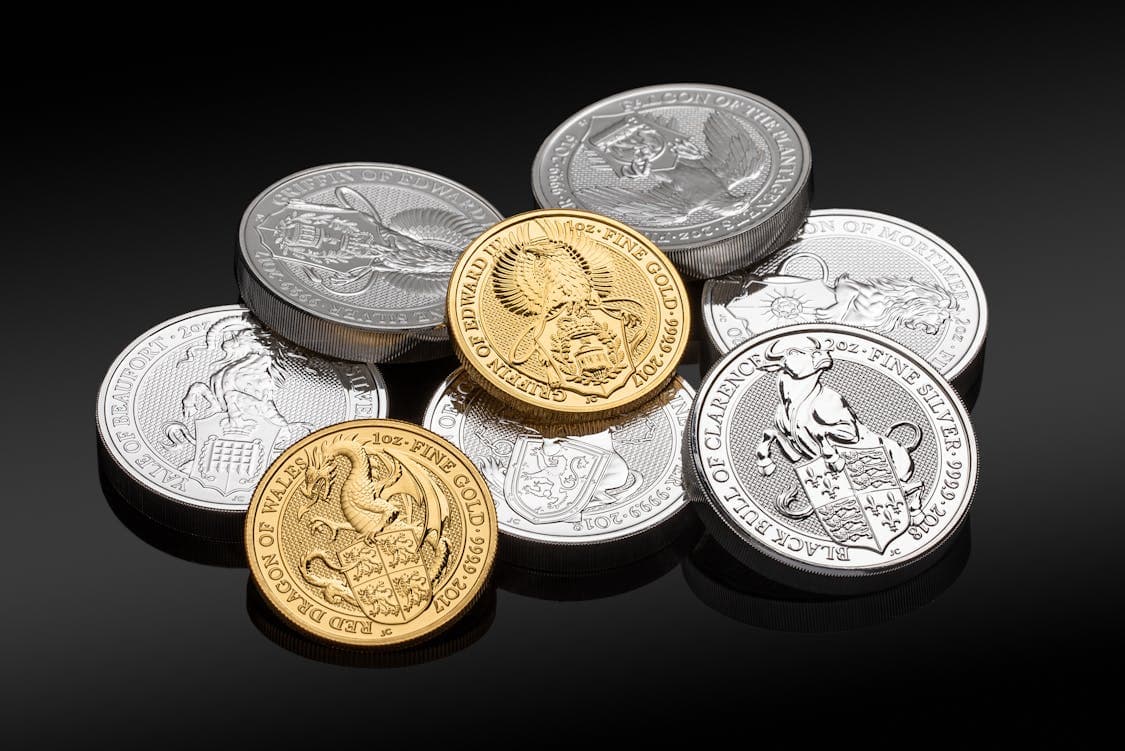
Gold and silver have shared the stage as stores of value for centuries and still attract investors around the globe. Each metal brings different strengths, risks and practical details that shape outcomes for holders, traders and long term savers.
Choosing one over the other rarely fits a one size fits all approach and requires clarity about goals, time horizon and cash flow needs. Below are five key differences that highlight how liquidity, volatility, industrial demand, storage and portfolio role diverge between these two metals.
1. Liquidity And Market Size
Gold trades on a massive global market with deep pools of buyers and sellers across exchanges, banks and private dealers, which helps keep spreads tight for most order sizes and supports large institutional flows. Silver has a lively market too but it is smaller by total value, and volumes that look modest in gold can push silver prices more, so execution risk rises when positions grow.
That reality means traders and asset managers often break up big orders, route across venues and use limit instructions to avoid giving away value at the wrong moment. For investors who prize quick fills and minimal slippage, gold typically offers a smoother path while silver suits hands that are ready to work a little harder to get an entry.
Physical market traits reinforce that split because coins, minted bars and standard bar sizes differ in face value per ounce and in common retail packs, which affects how easily a given exposure can be moved. Gold bars and coins store far more value per cubic foot than equivalent silver holdings, making transport, vaulting and insured storage simpler on a per dollar basis for many users.
Silver s bulk means that logistics are heavier for similar nominal positions and that in turn pushes premiums and shipping charges in normal times and more so in stress. Dealers and retail platforms therefore often show a wider premium range for silver at low volumes, and those price gaps can widen further when demand spikes.
2. Volatility And Price Behavior
Silver is known for sharper percent swings and jerky intraday moves when markets react to news, macro shifts or speculative flows, so traders often watch it for quick profit chances and for fast reversals. Part of that pattern comes from the smaller market size and the metal s dual function as both an investment vehicle and an input for manufacturing and technology, which layers economic sensitivity on top of speculative demand.
Gold tends to move in a steadier manner through risk off episodes, acting with a quieter profile during some stress events while still producing abrupt moves at times of policy surprise or major market dislocation. For anyone setting rules around position sizing, the practical takeaway is plain: silver demands tighter attention to risk controls and a mindset prepared for whipsaws, whereas gold gives more room to breathe.
Volatility also changes the cost and mechanics of trading because margin calls, option prices and the tilt of dealer quotes adapt to the typical amplitude of moves, creating a different toolkit for each metal. Brokers and exchanges set tick sizes and initial margins with those behaviors in mind, so a strategy that works fine on gold futures can look very different when applied to silver contracts.
Active traders build rules around these differences, with stop methodologies and leverage choices tuned to the metal in hand. Long term holders still feel the impact indirectly through periodic rebalancing and the short term noise that can test nerve.
3. Industrial Demand And Use Cases

Silver has a substantial industrial footprint across electronics, photovoltaics, medical equipment and specialized chemical uses, and that steady physical consumption links its price to real world output and innovation cycles. Investment flows interact with that base level of demand, creating episodes where industrial adoption amplifies moves that would otherwise be driven purely by financial flows.
Gold s industrial role exists but it is smaller relative to its total market, with jewelry, investment bars and official reserves making up a far greater share of global demand. When a technology trend takes off or slows, silver can feel the effect unevenly, producing price moves that are distinct from those driven solely by investor sentiment.
Supply side dynamics work differently by metal as well since extraction yields, ore grades and recycling economics vary, which affects responsiveness to price signals and the speed at which miners add output. Silver often comes as a byproduct of base metal or gold mining, so its production profile can lag price incentives, while gold projects are commonly developed with a clearer single metal focus.
Recycling networks and secondary supply also differ, shifting the elasticity of available metal at changing price points. These real world links give silver a tangible industrial exposure that investors should factor into forecasts and scenario work.
4. Storage Costs And Transaction Practicalities
Holding physical gold usually requires less space and often results in lower annual storage costs per unit of value compared to silver, which is heavier to store for the same dollar amount and can therefore increase insurance and vault fees.
That difference shows up when comparing premiums paid at retail, shipping economics and the hassle of moving bulk metal, all of which affect the effective cost basis of an investment beyond the spot market quote. For new and seasoned investors alike, it’s helpful to know where to buy gold and silver from trusted sources that offer verified purity and transparent pricing.
Paper alternatives such as ETFs, certificates and futures let owners sidestep handling and shipment while trading exposure, though each instrument carries counterparty rules, fees and settlement quirks that must be read carefully. For many investors, the choice between metal in hand and paper exposure is a trade between simplicity of ownership and the practical frictions of custody.
ETFs tracking gold have become large and deep, offering tight spreads and straightforward redemption mechanics in normal times, while silver ETFs can face heavier flows against a smaller base that tests the creation redemption pipeline.
Futures contracts for each metal differ in contract size, tick value and typical margining, so a trader needs to learn the spec sheet for the contract they intend to use and model the cost of roll and financing.
Retail dealers also show minimum order sizes and different premium schedules, which influences how a small investor structures purchases and sales. Taxes vary by country and instrument, so net returns depend on the full set of storage, trade and tax items stacked together.
5. Role In Portfolios And Correlation Patterns
Gold often plays the role of a diversifier in portfolios, sought out by investors who want to offset currency moves, geopolitical worry and periods when risky assets stumble. Silver can act as a hedge at times but it is also used as a levered bet on industrial growth or on a reopening trade, offering higher potential upside in return for larger drawdowns.
Historical correlation with equities and other asset classes shifts over decades, with metals sometimes moving in tandem with stocks during certain cycles and at other times decoupling and moving on their own. Asset allocation therefore becomes less about a single number and more about a set of rules that map how much metal to hold, why it is held and under what circumstances rebalancing will occur.
Macro drivers such as central bank policy, major currency moves and global shocks affect both metals, though sensitivity and timing differ and that creates an opportunity for diversification if allocations are sized sensibly. Some investors keep a steady allocation to gold as a crisis buffer, while others carve a small tactical slice for silver to capture cyclical gains.
Rebalancing discipline, clear stop and profit rules and an agreed horizon help tame emotional impulses when price action turns choppy. The best use of either metal in a plan is the one that aligns with the investor s stated aims and the rules they will follow when the market heats up.
