Which Cinnamon Should You Buy? Discover the Best Choice
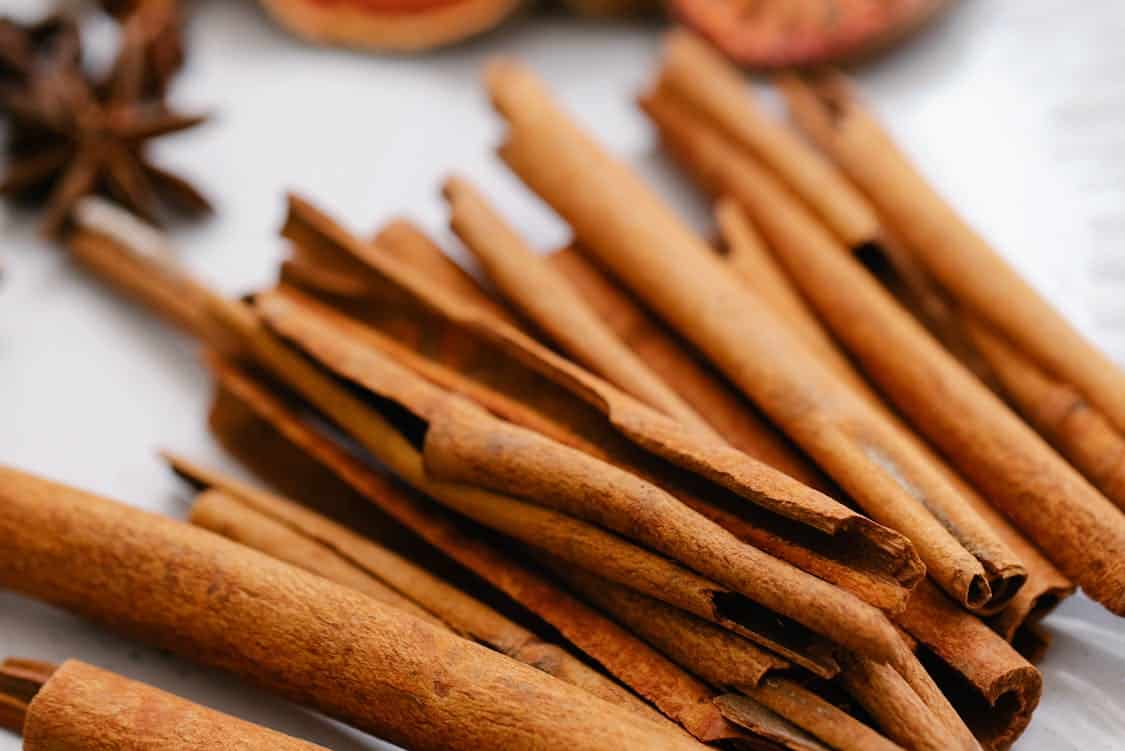
Cinnamon is a small spice with a large personality, and the choice you make can change a recipe or a routine in subtle ways. Some types bring a bright, citrus like sweetness while others push warm woody notes and a hint of spice that lingers.
Labels, origin stories and price tags tell part of the tale but tasting and a few simple checks reveal the rest. Think of buying cinnamon as picking shoes for a walk; fit and feel matter more than glitz.
Ceylon Cinnamon Versus Cassia
Ceylon cinnamon is often called true cinnamon and it carries a delicate, floral aroma with a clean finish that plays well in light desserts and tea. Cassia cinnamon, which is more common and generally cheaper, comes with a robust, spicy bite and a darker, bark like appearance that holds up in long cooking.
If you like subtlety Ceylon will let layers of other ingredients sing while Cassia will shout numbers off the page. Both have fans and foes, so your pantry will tell the story over time.
Saigon Cinnamon Offers Intense Sweet Spicy Notes
Saigon cinnamon hails from Vietnam and tends to be bold with an almost caramel like sweetness wrapped in heat that lingers on the tongue. Bakers reach for it when they want a cinnamon hit that can stand up to sugar and butter without getting lost.
A little goes a long way because its essential oils are concentrated and vibrant, so measure with care when you are testing new recipes. If you crave a noticeable cinnamon character in cookies or stews Saigon will likely hit the spot.
Indonesian Korintje Is A Baker Friendly Choice
Korintje cinnamon from Indonesia is cozy and rounded, with gentle spice and a familiar warmth that many home cooks grew up with. It blends into batters and doughs smoothly, as if it were built to cozy up to sugar and vanilla, and it rarely overpowers other flavors.
Commercial ground cinnamon often comes from this source because it balances cost and consistency in texture and aroma. When you want a steady performer for muffins and pancake batter Korintje is a safe bet.
Chinese Cinnamon Is Earthy And Strong
Chinese cinnamon can be quite assertive with woody and somewhat bitter undertones that give savory dishes weight and structure. It is used widely in regional braises and sauces where a firm backbone is needed rather than a light perfume.
Ground versions may appear darker and coarser, reflecting the bark that went into the mill, so expect a hearty presence. If your cooking leans toward long simmering pots or bold marinades this style will carry the day.
Ground Cinnamon Versus Quills
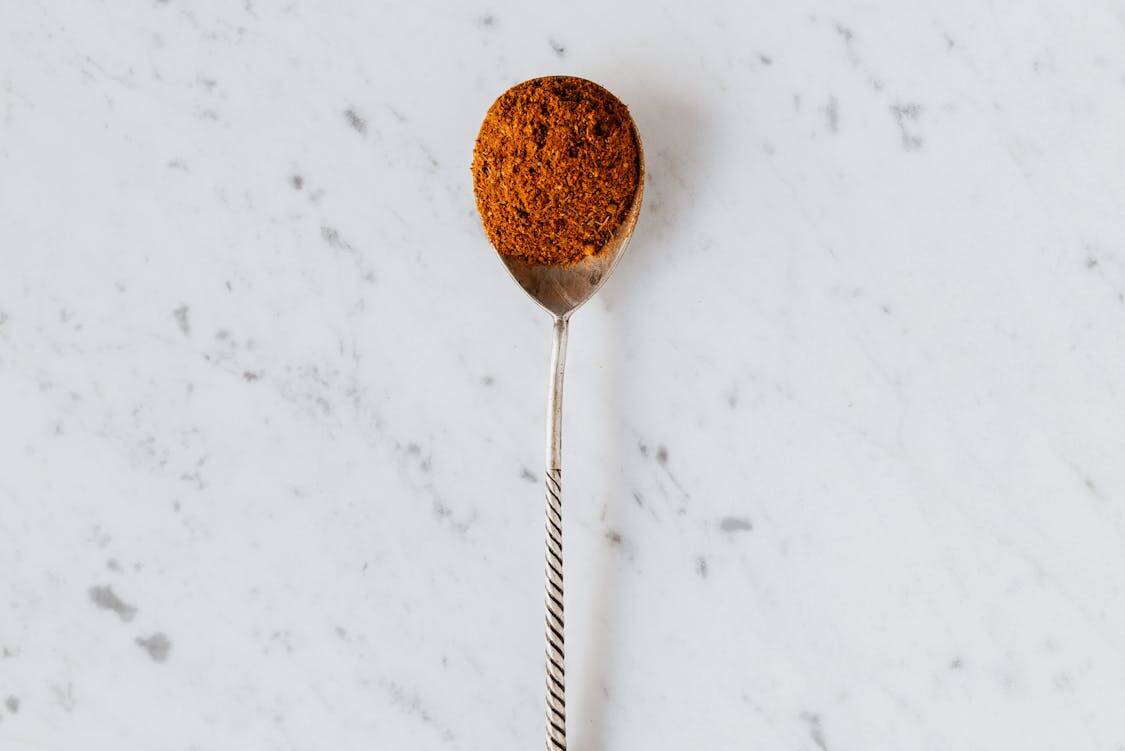
Ground cinnamon is handy and blends instantly, but it loses volatile oils over time so freshness matters more than label claims. Quills or sticks keep their aroma longer and let you release flavor slowly in liquids or when you toast them briefly in a pan, making them great for mulled drinks and long cooks.
Grinding small amounts at home from fresh quills will give you the brightest aroma and more control, yet many cooks reach for ground cinnamon for speed and ease. For a rule of thumb use sticks when simmering and fresh ground when you want a lively, quick hit.
Coumarin Levels And Health Notes
Coumarin is a naturally occurring compound found in some cinnamon types and it can be harmful in large amounts so moderation makes sense if you use cinnamon daily. Ceylon cinnamon contains far lower coumarin than many Cassia varieties, making it an appealing pick for regular use and for anyone watching their intake.
A pinch here and there in recipes is unlikely to cause trouble for most people but heavy dose supplementation calls for a closer look at labels and origin. If you are someone who likes a morning sprinkle on oatmeal switching to a low coumarin option can ease concerns.
Buying Tips For Freshness And Value
Look for airtight packaging and a recent packing date since aroma fades over months and the cost per ounce can hide real value if the jar is months old. When shopping for whole sticks, take a moment to check for thin, layered quills, as this structure often signals true cinnamon and better aroma retention.
Whole quills will outlive ground powder on your shelf and give you chances to grind small batches when you want the brightest scent and flavor.
Price is not always a quality signal; some high cost jars come from fancy marketing while modestly priced cinnamon from trusted origins can surprise you with depth. Trust your nose and the taste test more than glossy claims.
Organic, Fair Trade And Label Clues
Organic and fair trade labels address farming and trade practices, which may matter if sourcing and environmental impact are on your list of priorities. These certifications sometimes add a premium but they can also signal traceability so you know where the bark came from and who benefited along the chain.
Smell and flavor still rule the day for culinary use, yet ethical sourcing can add peace of mind when you stock up. Small producers and specialty spice shops often share harvest notes that help you choose.
How To Store Cinnamon For Peak Flavor
Keep your cinnamon in a cool, dry, dark place away from heat and sunlight so volatile oils do not evaporate and the aroma fades more slowly. Airtight containers are your friend and glass jars let you see the product while keeping it sealed against air and moisture.
Rotate stock with the oldest at the front so you use what loses scent first; a little organization saves wasted spice and keeps flavors lively. If you buy in bulk split it into small jars so only a fraction of the supply faces day to day exposure.
Culinary Pairings And Use Cases
For sweet baking and delicate pastries reach for Ceylon or light Korintje to let fruit and cream shine while adding a gentle warm note to every bite. If you are crafting dark sauces, chili or slow cooked meats a bold Cassia or Saigon will provide backbone and a persistent warmth that holds up to strong flavors.
Toasted cinnamon works wonders in spice rubs and when mixed with seeds and salts it creates an unexpected twist that can lift a plain roast into something more. Think of cinnamon as a voice in the kitchen sometimes soft sometimes loud and choose the one that sings in tune with the dish.
